
The Ultimate Morning & Night Routine for Acne-Prone Skin: A Pharmaceutical Guide
Disclaimer: This acne routine guide is for educational purposes only and does not replace professional medical advice. Read our full Medical Disclaimer.
Managing an acne routine requires more than just washing your face; it requires a strategic pharmaceutical approach. While many think Acne Vulgaris is just a teenage phase, as a Pharmacy Technician, I know that a consistent acne routineis the only way to treat this complex inflammatory disease of the pilosebaceous unit.
To treat acne effectively, we must address the four main causes: follicular hyperkeratinization (clogged pores), excess sebum production, the proliferation of Cutibacterium acnes bacteria, and inflammation. In this guide, we will break down the perfect 24-hour cycle to reclaim your skin’s health.
Part 1: The Biological Clock of Your Skin
Your skin follows a circadian rhythm. During the daylight hours, your skin is in «Defense Mode,» fighting off UV radiation, pollution, and oxidation. At night, it switches to «Repair Mode,» where cell division peaks and the skin barrier recovers.
If you use the same products in the morning and at night, you are working against your biology. Let’s fix that.
Part 2: The Morning Routine – Protection
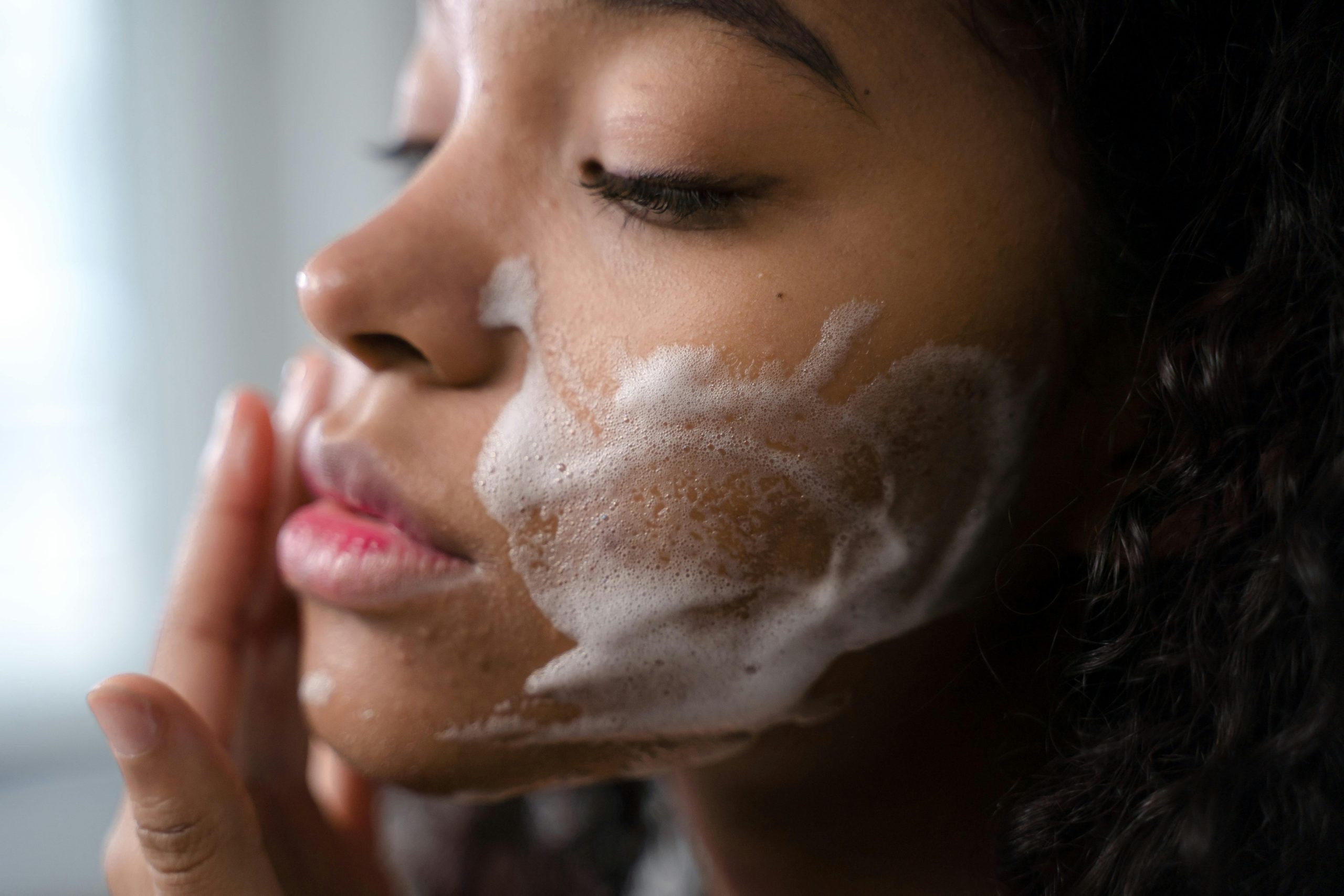
The goal of the morning is to maintain a matte finish while protecting the skin from external damage that can darken acne scars (post-inflammatory hyperpigmentation).
1. The Right Cleanser: Science Over Bubbles
Many patients believe that a «squeaky clean» feeling means the acne is being treated. This is a myth. Harsh surfactants like Sodium Lauryl Sulfate (SLS) destroy the acid mantle.
Pharmacy Tip: Look for «Syndets» (Synthetic Detergents) or pH-balanced foaming gels. If your skin feels tight after washing, you’ve just triggered your sebaceous glands to produce even more oil to compensate.
2. Antioxidants: The Shield
Acne-prone skin often has lower levels of antioxidants. When your skin’s oil (sebum) oxidizes due to pollution, it becomes highly comedogenic (pore-clogging).
- Niacinamide (5-10%): My top recommendation for acne. It stabilizes the barrier, reduces redness, and regulates sebum without the irritation often caused by pure Vitamin C (L-Ascorbic Acid).
- Sodium Ascorbyl Phosphate: A stable derivative of Vitamin C that has specific antimicrobial properties against acne bacteria.
3. Therapeutic Hydration
Skip heavy oils. Use humectants like Hyaluronic Acid or Glycerin. These pull water into the skin without adding grease. A lightweight, oil-free lotion is essential to prevent the «dehydrated-oily» skin paradox.
4. SPF: The Acne Healer’s Secret
Many acne treatments (like Benzoyl Peroxide or Salicylic Acid) make the skin «photosensitive.» Without SPF, your acne spots will turn into permanent brown scars.
Technical Choice: Use a mineral sunscreen containing Zinc Oxide. Zinc is naturally anti-inflammatory and helps «calm» active breakouts.
Part 3: The Night Routine – Repair
This is where the real «work» happens. At night, we use active ingredients that are too unstable or irritating for daylight.
1. The Double Cleanse
If you use sunscreen (which you should), a single wash isn’t enough. Sunscreen is designed to stick to the skin.
- Step A: Use Micellar Water or a non-comedogenic cleansing oil to break down SPF and makeup.
- Step B: Use your medicated cleanser (perhaps one with 2% Salicylic Acid) to clean the pores.
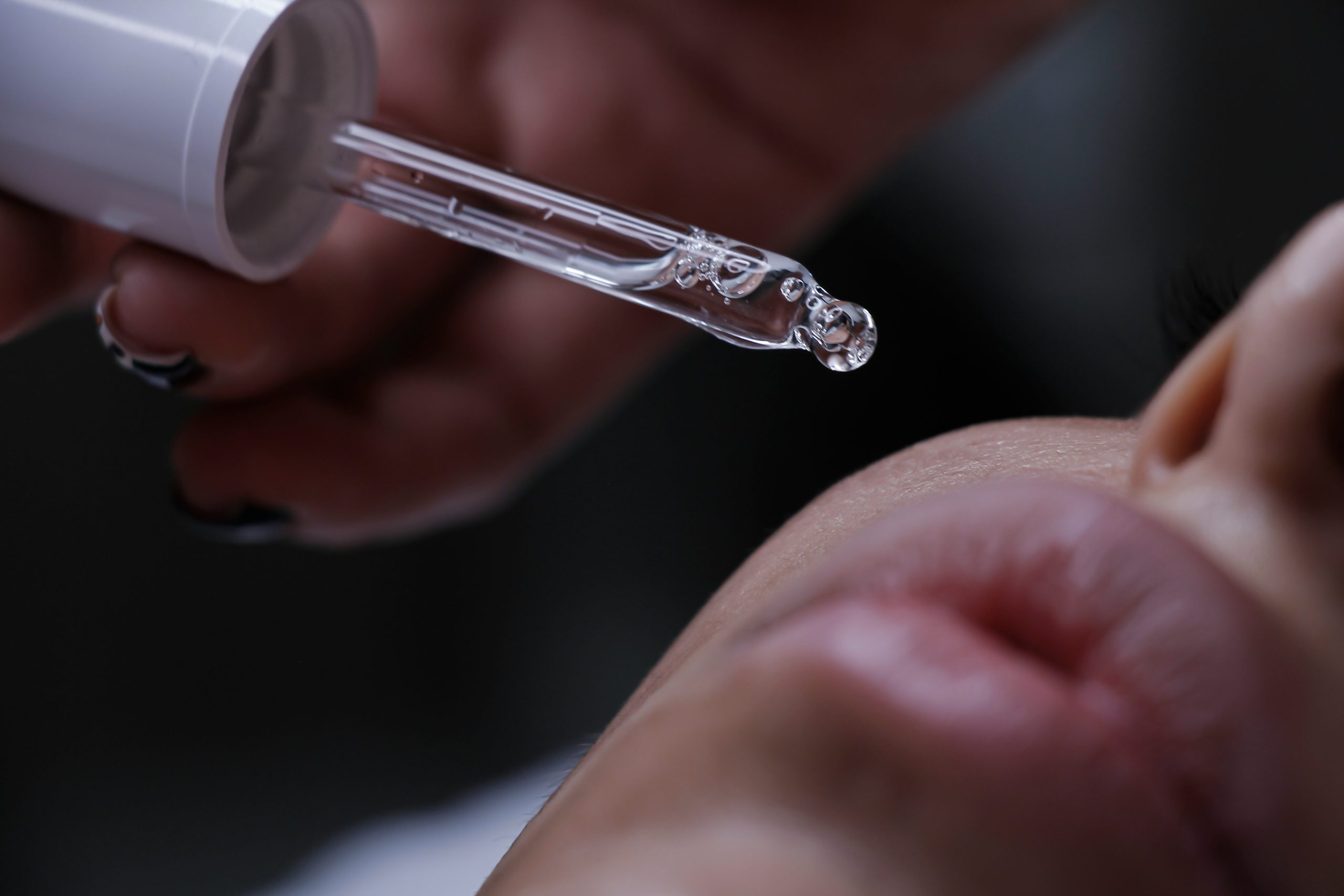
2. The «Gold Standard» Actives: Retinoids
As a pharmacy professional, I consider Retinoids (Adapalene, Tretinoin, or Retinol) the backbone of acne therapy. They prevent cells from sticking together and clogging pores.
The Sandwich Technique: If you have sensitive skin, apply moisturizer, then your Retinoid, then moisturizer again. This reduces irritation without canceling the benefits.
3. Benzoyl Peroxide vs. Salicylic Acid
- Benzoyl Peroxide: Best for «inflammatory» acne (red, painful bumps) because it introduces oxygen into the pore, killing anaerobic bacteria.
- Salicylic Acid (BHA): Best for «comedonal» acne (blackheads and whiteheads) because it is oil-soluble and «dissolves» the glue holding the clog together.
Safety Warning: Never use both in the same step! You will burn the skin barrier. Alternate nights.
Part 4: The Pharmacy Aisle – Supplements for Clear Skin
We cannot treat the outside without looking at the inside. As a Pharmacy Technician, I analyze the biochemical impact of supplements on skin health.
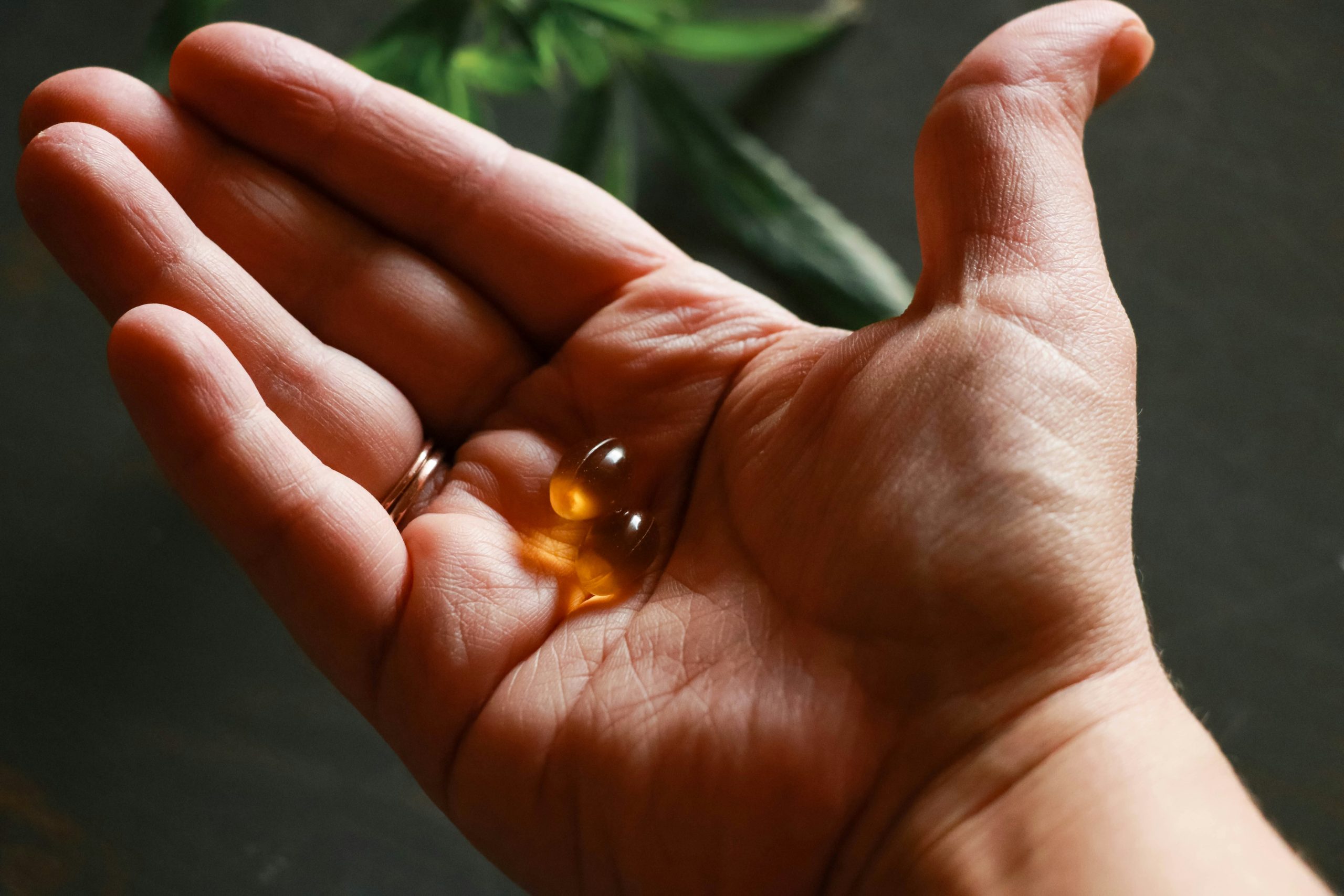
1. Zinc: The Natural Antibiotic
Zinc is a powerhouse for acne. It inhibits the 5-alpha-reductase enzyme, which is responsible for the hormonal triggers of oily skin.
Dosage: 30mg of Zinc Gluconate daily has been shown in studies to reduce inflammatory lesions significantly.
2. Probiotics and the Gut-Skin Axis
There is a direct link between intestinal inflammation and skin inflammation. A high-quality probiotic containing Lactobacillus strains can reduce the systemic inflammation that fuels acne.
3. Omega-3 Fatty Acids (Fish Oil)
Omega-3s help thin out the sebum. Instead of thick, waxy oil that clogs pores, your skin produces a more fluid oil that flows out easily.
Part 5: Habits That Sabotage Your Progress
- Phone Hygiene: Your smartphone screen carries more bacteria than a toilet seat. Clean your screen daily with 70% isopropyl alcohol.
- Pillowcase Rotation: Residual hair products, sweat, and saliva build up. Change your pillowcase every 2 days.
- The «Pop» Temptation: Popping a pimple pushes bacteria deeper into the dermis. Use a Hydrocolloid Patch(Pimple Patch) instead to suck out the impurities safely.
Part 6: When to See a Dermatologist
While a solid routine works for many, Grade III or IV acne (cystic/nodular) requires medical intervention. If you see signs of «pitting» or if your acne is affecting your mental health, please consult a specialist. Prescription treatments like Isotretinoin or hormonal therapies require strict medical supervision.
The Ultimate Morning & Night Routine for Acne-Prone Skin: A Pharmaceutical Guide
Consistency is key. When starting a science-backed acne routine, you should allow at least 8 to 12 weeks to see significant changes. Skin cell turnover takes about 28 days, and inflammatory lesions need multiple cycles to heal completely. Do not give up in the first month!
No. Skipping moisturizer can actually worsen breakouts. When the skin is dehydrated, it produces more sebum to compensate, leading to more clogged pores. In your acne routine, always choose a «non-comedogenic» and oil-free lightweight moisturizer to protect the skin barrier.
Yes, skin purging is a common reaction when introducing active ingredients like Salicylic Acid or Retinoids into your acne routine. It happens because these products accelerate cell turnover, bringing existing clogs to the surface faster. This phase usually lasts 4 to 6 weeks before the skin starts looking clearer.
Conclusion: Consistency is the Only Shortcut
Skin cells take about 28 to 45 days to renew. You cannot judge a routine after one week. Give your skin at least three months of consistency. By combining pharmaceutical-grade topicals with targeted supplementation, you are not just «fixing» a pimple; you are transforming your skin’s biology.
Scientific References
- Zaenglein, A. L., et al. «Guidelines of care for the management of acne vulgaris.» Journal of the American Academy of Dermatology.
- Cervantes, J., et al. «The role of zinc in the treatment of acne: A review of the literature.» Dermatologic Therapy.
- Pappas, A. «The relationship of diet and acne.» Dermato-endocrinology.
- Bowe, W. P., & Logan, A. C. «Acne vulgaris, probiotics and the gut-brain-skin axis – back to the future?» Gut Pathogens.
